The Banished
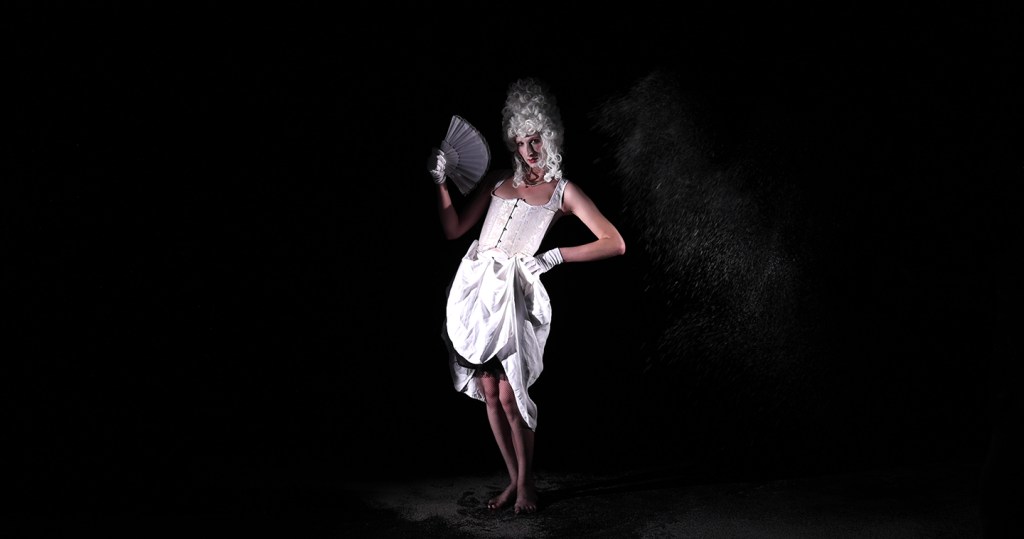
The runaway accused ‘witches’ who were ‘not to be found’:
in 1658, six women and one man were recorded on legal rolls from Ayr, Scotland as having ‘gone away’ when they were called for trial as accused ‘witches’. They were:
Violet Guillieland, Agnes Mortoune, Margaret Cunningham, Jonet Holmes, Margaret Jameson, Jonnet Hamilton, and John Walker.
AKA: Vi, Peggy, Jonny, Nan, Ramjam, Jack and Maggie.
From the accused
‘I stand accused
‘of destroying the ale hoose when they
refused me drink’
..a got ma drink when ah lay doon an sucked the harbour dry..’
I stand accused
‘of wrecking a ship
and dancing in the sands’
I stand accused
‘vagrant.. landless, poor..
’If you say so, so I am..’
..so-called ‘witches’ confessing in resignation after days without sleep..
Click on the video link below to find out more about how the Charmers came to be..
How The Charmers formed..
The Scottish witch trials of the 16th and 17th Centuries are known to be amongst the most brutal in the world. My researches into the ‘Kirk Sessions’ and my matrilineal ancestors for expanded film work ‘The Hurrier’(2021), led further back, to the persecution of accused ‘witches’: perceived as being ‘disorderly, idle, drunken and bold’, mainly poor women who had stepped out of line. I began working with small story fragments from the archives, stories of accused witches in Ayrshire (where I grew up), focusing on class, queer sexuality, banishments and ‘othering’.
This work extends formal strategies from earlier expended film peices ‘Thrashing in the Static’(2014), ’Wakeful’(2018) and ‘The Hurrier’ where fragments in ‘official’ records, reveal hidden histories of oppression. I work experimentally with film forms, sound and fictioning: ‘queering the technology’ and considering the space between frames as a possible place of liberation. For ‘The Hurrier’ I made a ‘broadside’ ballad ‘Poor on the Roll’ and produced a podcast with Feminist Library.
My 2022 residency at Beaconsfield, responding to their ‘Monica Sjöö exhibition, provided scope to consider the relevance of the ‘witch’ trials for understanding patriarchy/capital/sexuality now: finding possible methodologies to work with this challenging material. I set up a ‘scratch’ installation with projected drawings of ‘imaginary women’, super-8 footage, and a sound mix, including Sjöö’s declaration of ‘the beginning of the end of patriarchy’(Bristol, 1993) as text.
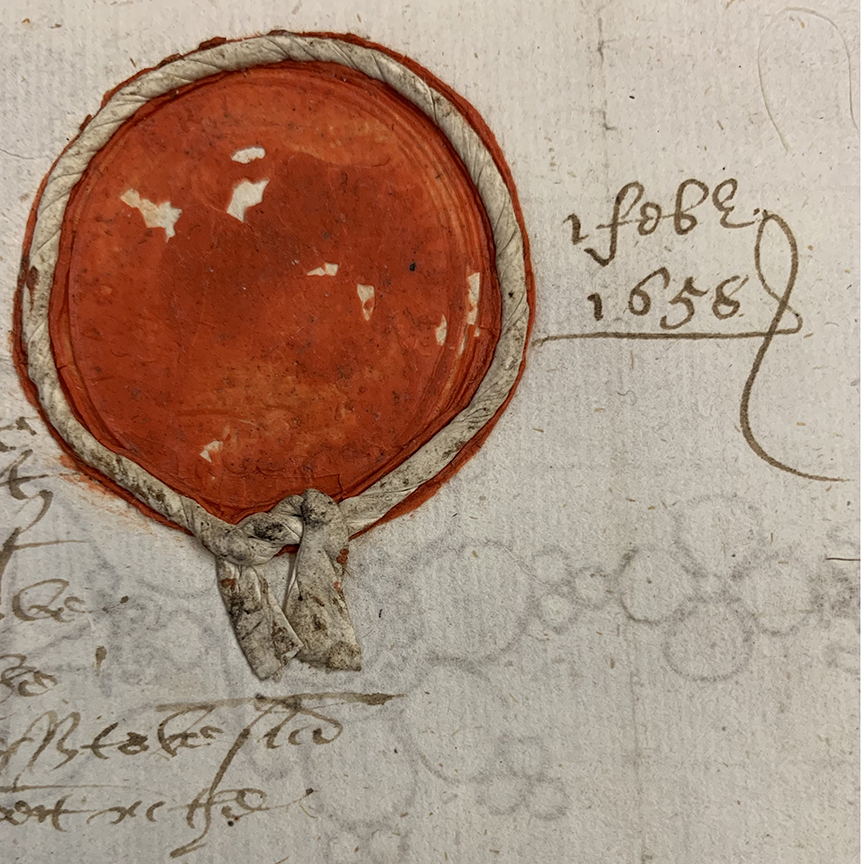
Since 2023 supported by an ACE DYCP grant, I have been working on an expanded film/ballad about what ‘may’ have happened to a group of seven accused ‘witches’ in 1658, who were declared ‘not to be found’, ‘gone away’. Having found them recorded on a scroll in the National Library of Scotland, I have been intrigued by their apparent escape, and consider speculatively that they may have formed a band of time-travelling players, on tour, between the grooves and communicating with the banished, queer outsiders of today. I am in conversation with musicians engaged with ballads and improvisation. Collaborating with a band to work with songs, is a way of moving beyond the grim nature of accused witches’ lives and creating joyful spaces for celebrating ‘outsider’ witches and queers, as well as mourning the executed and banished. I intend the work as it evolves to include opportunities for intergenerational conversations on othering, intersectionality, class and sexuality.
This research is informed by Silvia Federici (Caliban and the Witch, 2004) linking the witch trials to the enclosure of land, vagabondage, early capitalism and colonisation; by Saidiya Hartman’s concept of ‘critical fabulation’(Venus in Two Acts, 2008); by ‘fictioning’ as described by Simon O’Sullivan(Art Practice as Fictioning, 2016), by Ursula K. Le Guinn’s speculative fiction; by ‘queer theory’ and by Françios Verges on class (A Decolonial Feminism, 2019).
Anne Robinson September 2024
 The Charmers